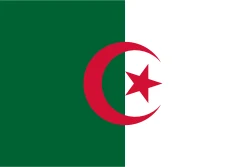
Algeria
Algeria is in Africa, in the North Africa region. Its capital is Algiers. It has a population of about 47.4 million and an area of 2,381,740 km². Its flag has 3 colors, and the one that takes up the most space is white, at 48% of the total.
The flag of Algeria as a pie chart
- White 48%
- Dark green 46.1%
- Red 6%
- Design
- Vertical stripes (2)
- Symbol
- Has a crescent and a star
Each slice shows how much of the flag each color covers. It's the same data as CakeFlag, our game where you guess countries from the colors of their flag.
Algeria at a glance
- Capital
- Algiers
- Continent
- Africa
- Region
- North Africa
- Official languages
- Arabic
- Currency
- Algerian dinar
- National day
- July 5
- Highest point
- Mount Tahat (about 2,910 meters)
- Area
- 2,381,740 km²10th largest out of 208
- Population
- 47.4 million33rd most populous out of 204 · 2025 data
- Population density
- 19.9 people/km²31st least densely populated out of 204 · 2025 data
- GDP
- US$ 287 billion51st highest GDP out of 200 · 2025 data
- GDP per capita
- US$ 6,05183rd lowest GDP per capita out of 200 · 2025 data
- Life expectancy
- 76.5 years81st highest life expectancy out of 204 · 2024 data
More facts
- Became independent from France
- Joined the UN in 1962
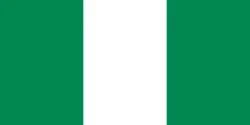
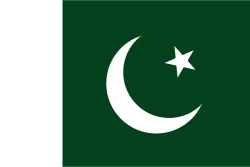
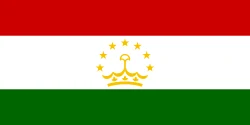
Flags that look like Algeria's
We compared the cake of Algeria with the other 207 countries and territories: which similar colors they share and in what proportion. These share the most slices, perfect for practicing in CakeFlag.
Fun facts about Algeria
Featured in GeoFacts #35
- In one of its towns at the edge of the Sahara it snowed in 1979 for the first time on record, and it has snowed there several more times since 2016. Source: Wikipedia - Ain Sefra
- Raï, a popular music genre that became famous in the 1980s, was born there. Source: Wikipedia - Raï
- Fashion designer Yves Saint Laurent and writer Albert Camus were both born on its soil. Source: Wikipedia - Yves Saint Laurent (designer)
Neighboring countries
Algeria borders 6 countries:
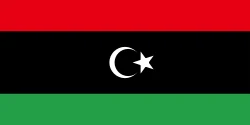 Libya
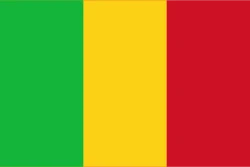 Mali
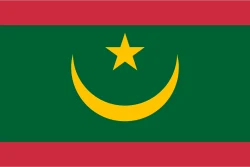 Mauritania
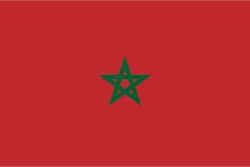 Morocco
 Niger
 Tunisia
Would you recognize it in a game?
Data: World Bank, world-countries, Wikidata and CIA World Factbook. See all sources.